
Anaerobic Tissue Transport Medium (ATTM and ATTMSP) is a mineral salt based semi-solid media with reducing agents. Designed as a holding medium to maintain the viability of microorganisms, both anaerobic and aerobic, through collection, transportation, and shipment of clinical specimens. The tube has a wide mouth with 25mm opening which makes it easier to place large samples into the tube. The surgery pack version has tubes individually packaged in individual packages and autoclaved prior to packaging.
Anaerobic Tissue Transport Medium – ATTM and ATTMSP

ATTM Tube
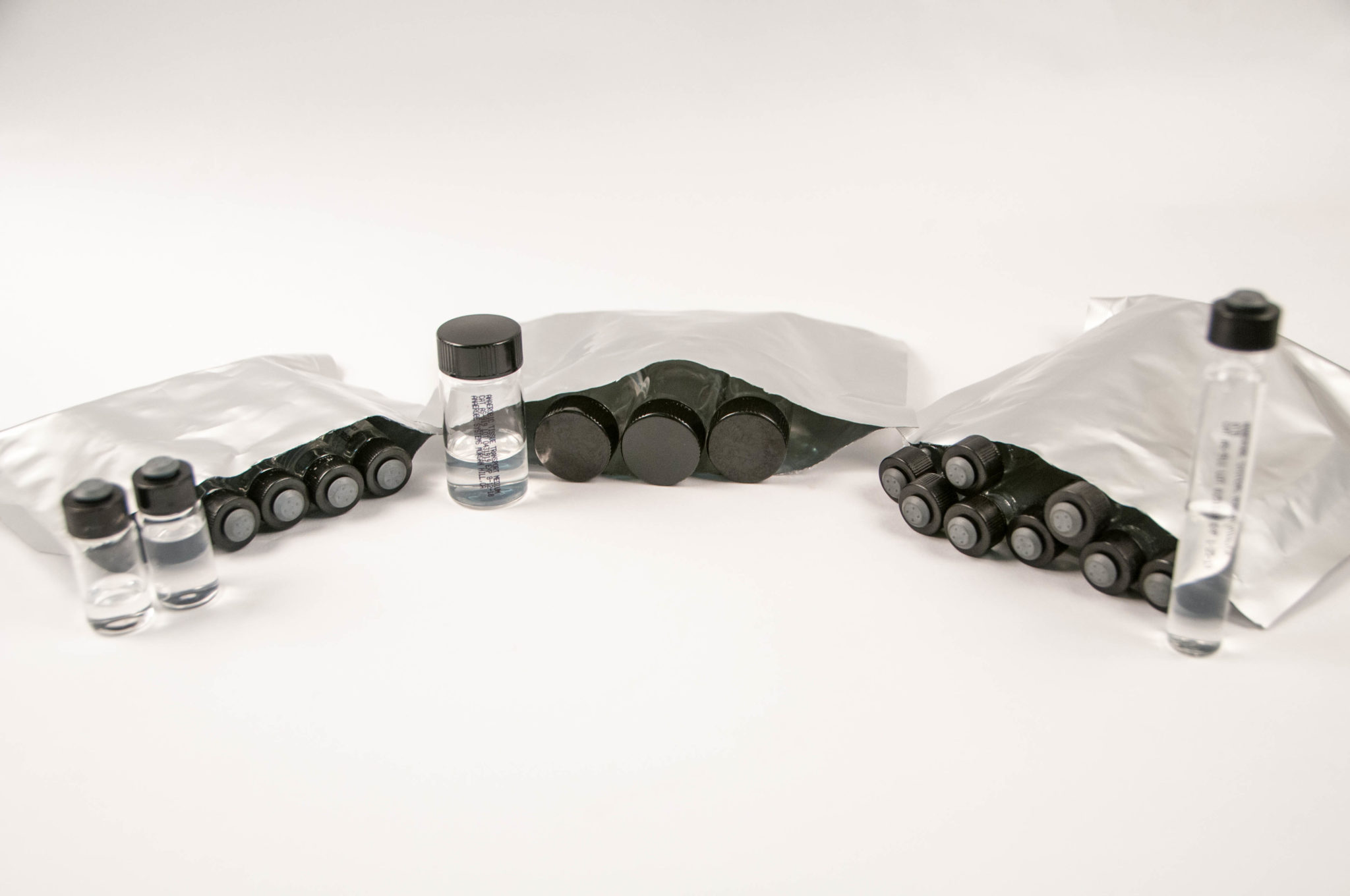
ATTM (center) 5 tubes per package
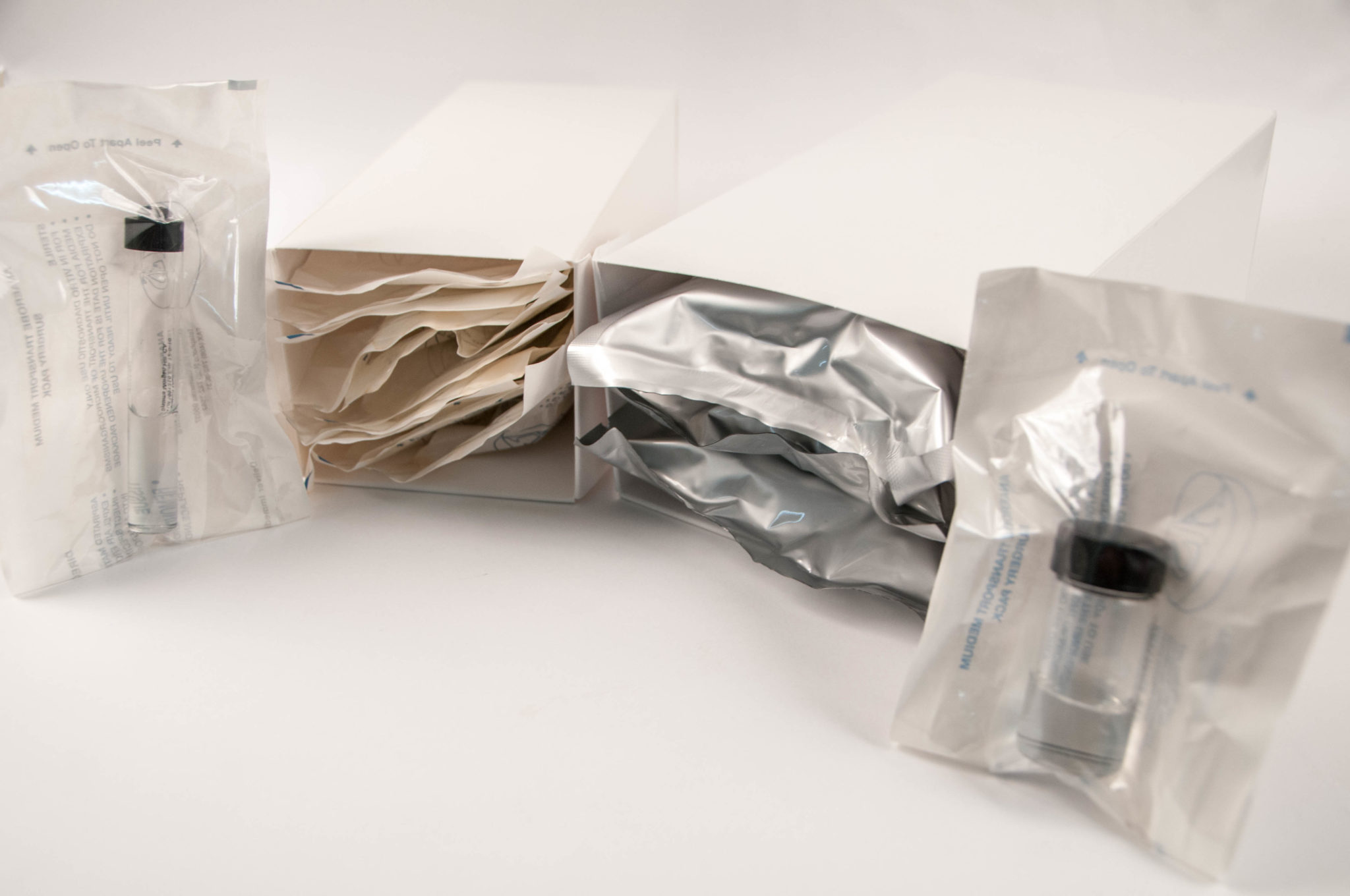
ATTMSP (right) 1 tube per pack, 5 packs per box
| Catalog # |
Description |
Qty |
Price |
| AS-919 | Anaerobic Tissue Transport Medium (ATTM) | 5 tubes / pkg | $29.92 |
| AS-915 | Anaerobic Tissue Transport Medium Surgery Pack (ATTMSP), individually wrapped in packs and autoclaved | 5 packs / box | $35.16 |
Product Description & Summary
ATTM and ATTMSP contain buffered mineral salts in a semi-solid media, with sodium thioglycollate and cysteine added to provide a reduced environment. This combination has been prepared to provide an environment which maintains the viability of most microorganisms without significant multiplication and allows for dilution of inhibitors present in clinical material. This medium is designed to meet the stringent viability requirements of obligate anaerobes. All tubes are supplied with a rubber lined phenolic screw cap that allows for direct introduction of tissue samples. Resazurin is added as an indicator of significant oxygen exposure to the media. This media is prepared, dispensed, and packaged under oxygen-free conditions.
Interpretation of Results & Limitations
Results for the recovery of anaerobic bacteria will largely depend on proper and adequate specimen collection, timely transport, and processing in the laboratory. If used properly, this media should maintain the viability of microorganisms, anaerobic and aerobic, present within a clinical specimen until transported and processed within the laboratory.
ATTM and ATTMSP are designed as a holding medium to maintain viability of microorganisms contained within a specimen during transport. This media will not provide complete information for identification of bacterial isolates. Additional test procedures and media are required for complete identification. Specimens should be transported and processed in the laboratory in a timely manner since delay may result in overgrowth by one organism present in a specimen from polymicrobial infections. Consult reference materials for additional information.
Quality Control
The following organisms are routinely used for quality assurance testing at Anaerobe Systems. To determine the holding capacity of ATTM and ATTMSP, an ATCC isolate strain (listed below), from 24-hour growth, is inoculated into the media aerobically and held for 48 hours at room temperature. Each organism is streaked onto Anaerobic Brucella Blood Agar (BRU, catalog #: AS-111) in an anaerobic environment to obtain isolated colonies. Plates are incubated at 35–37oC for 48 hours and growth is observed.
| Organism Tested | ATCC #
|
Results | Time |
| Bacteroides fragilis* | 25285 | Growth | 24 hrs |
| Prevotella melaninogenica* | 25845 | Growth | 24 – 48 hrs |
| Propionibacterium acnes* | 6919 | Growth | 24 – 48 hrs |
| Fusobacterium nucleatum* | 25586 | Growth | 24 hrs |
| Peptostreptococcus anaerobius* | 27337 | Growth | 24 hrs |
| * Organisms specified by CLSI for Quality Control testing of Anaerobic Microbiological Transport Systems.
|
|||
Product Storage & Shelf Life
Storage: Upon receipt, store at room temperature in original package until used. Avoid overheating or freezing. Do not use medium if there are signs of deterioration (shrinking, cracking, or discoloration due to oxidation of media) or contamination. The expiration date applies to the product in its original packaging and stored as directed. Do not use product past the expiration date shown on the label.
Shelf Life: 6 months from date of manufacture.